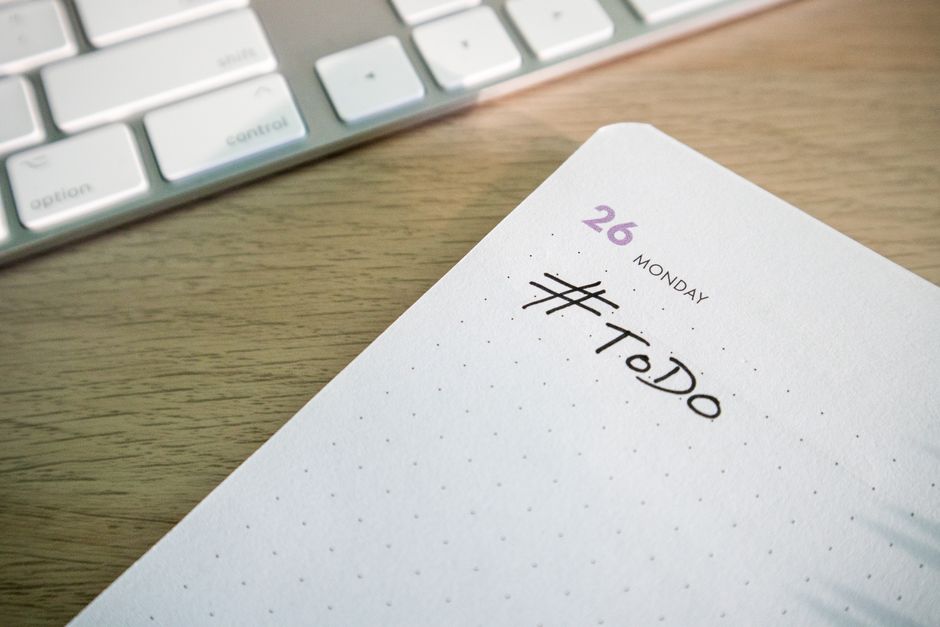
It's a Tuesday afternoon, and the calendar on the desktop monitor flashes reminders for upcoming deadlines. Between two interrupted focus blocks, the freelancer glances at the task list pinned to the edge of the screen. Family time activities are noted there, but they seem to slip further down the priority list as the day unfolds. A quick check reveals that the simple act of scheduling a family game night has been sidelined, overshadowed by urgent work sessions and task-switching demands. The intention to foster family connections is present, but the execution falters amidst the clutter of daily productivity.
As the freelancer prepares to dive back into work, a reminder popup steals the next ten minutes, pulling attention away from the carefully planned family activities. The calendar gets checked before the working document opens, but the focus habits are already compromised. What started as a straightforward task morphs into a complex decision-making moment, where the energy to engage with family activities is lost to the friction of constant task-switching. This pattern raises a crucial question: which part of family time activities usually slips first on a crowded day?
The First Step That Gets Skipped
During a typical weekday moment, the desktop monitor edge is cluttered with open tabs and a visible task list, each demanding attention. As the freelancer glances at the calendar, they notice that the planned family game night is still unconfirmed, lingering in the realm of good intentions. The default method of scheduling family activities often hinges on last-minute decisions, relying on spontaneity rather than thoughtful planning. This seems reasonable at first—after all, the day is packed with urgent work sessions and the need to stay flexible.
Yet, this approach frequently leads to overlooked family time. The intention is there, but as the clock ticks closer to the evening, the energy to engage diminishes. A quick check reveals that the family board games, which should have been organized earlier, are still tucked away in the drawer, forgotten amidst the chaos of daily tasks. The calendar block for family activities gets overshadowed by the pressing need to complete work assignments, and the task switching costs become evident. What began as a simple plan to connect with family turns into a complex negotiation with time, where the act of pulling out the games feels like a daunting task.
As the freelancer prepares to dive back into work, a reminder popup steals the next ten minutes, pulling focus away from the family activities. This interruption serves as a stark reminder of how easily family time can slip through the cracks when not prioritized. The sequence of checking the calendar before opening the work document becomes a missed opportunity, where the potential for a joyful family evening fades into the background noise of productivity demands.
Where the Default Method Fails
On an ordinary weekday, the freelancer sits at their desk, glancing at the edge of the monitor where a calendar block for family time is displayed. It's a bright afternoon, and the plan is to engage in a simple board game with the kids after work. However, as they check the calendar, a notification pops up, reminding them of an urgent work deadline. The freelancer instinctively clicks on the reminder, which leads them into a rabbit hole of emails and task switching that consumes the next ten minutes. The initial intention to connect with family slips further down the priority list.
In this moment, the weak point of last-minute planning becomes painfully clear. The calendar block, meant to safeguard family time, is overshadowed by immediate work demands. The act of opening the work document first, instead of prioritizing the family activities, creates a cascading effect where focus is lost. As the freelancer prepares to dive back into work, they realize that the simple act of pulling out the board games now feels like a daunting task. It’s a clear illustration of how easily family activities can be pushed aside when not given the attention they deserve, leaving the evening's joyful potential hanging in the balance.
A Better Order for the Same Five Minutes
Setting a specific time block on the calendar for family activities at the start of the week can transform how a freelancer manages their daily productivity. Instead of waiting for spontaneous moments to engage with family, this proactive approach ensures that family time is prioritized. For instance, designating Sunday evenings for board games or movie nights creates a clear expectation. This simple act of planning ahead shifts the focus from reactive to intentional, allowing for better alignment with energy levels and work sessions.
During an ordinary weekday, when the freelancer glances at the desktop monitor, they notice a reminder popup for an impending project deadline. In the past, this would lead them straight into a rabbit hole of emails, consuming precious minutes that were meant for family connection. Instead, with a set calendar block for family activities, they can check the calendar first, confirming that the evening is reserved for family time. This small adjustment means that even when work demands are pressing, the freelancer has a visible task list that reminds them of their commitment. By opening the calendar before the work document, they create a mental buffer, reducing the likelihood of task switching that often derails family plans.
The Tradeoff of Structure vs. Spontaneity
This same friction shows up again in Managing Energy Not Time, especially when the day tightens unexpectedly.
On the edge of a cluttered desk, the freelancer's calendar sits open, displaying a carefully planned block for family time. This structure, while it may appear rigid, actually clears mental space. It eliminates the stress of making last-minute decisions about how to spend precious hours with family. Yet, there’s a noticeable tension; the calendar's confines can also restrict those spontaneous moments that often lead to the most memorable experiences.
During a typical weekday, the freelancer notices a gap between two focus blocks. The temptation to fill that time with work is strong, especially with a reminder popup flashing on the desktop monitor. In the past, this would have been a slippery slope into a flurry of emails and project updates, pulling them away from family activities. Instead, by adhering to a structured approach, they can glance at the visible task list and see the family block highlighted in bright colors. This serves as a prompt to pause and redirect their focus.
However, this commitment to structure can sometimes mean missing out on spontaneous adventures, like an impromptu trip to the park or a last-minute movie night. The tradeoff is evident: while the calendar provides a sense of order, it can limit flexibility. Yet, in many cases, the peace of mind that comes from knowing family time is safeguarded outweighs the occasional loss of spontaneity. The freelancer recognizes that the structure allows them to be present during family moments, rather than distracted by work, making it a worthwhile compromise.
When to Fit This Approach into Your Week
A slightly different version of this problem appears in Focus Without Burnout, where the sequence changes but the hidden drag feels familiar.
Weeks with predictable work sessions are prime for implementing a structured approach to family time. For example, if you know that Mondays and Wednesdays are reserved for focused tasks, you can block out time for family activities on those evenings. This foresight allows you to manage your workflow habits effectively, reducing the risk of task switching that often disrupts family interactions.
Using a visual calendar can be a game changer. By marking family time blocks in bright colors, you create a visual cue that stands out against your work commitments. When you glance at your calendar on a Tuesday morning, the highlighted family time serves as a reminder to prioritize those moments. This small adjustment can significantly enhance your attention management, ensuring that family activities don’t slip through the cracks.
However, the friction often arises when a reminder popup interrupts your focus block, stealing ten minutes from your planned work session. That’s when the task looks simple until the switching cost becomes apparent. You might find yourself scrambling to catch up on emails instead of preparing for a family dinner. To counter this, try rewriting your top three tasks before your work session begins. This way, you can clearly see what needs your attention and what can wait, allowing you to transition smoothly into family time without the nagging worry of unfinished work.
As the day progresses and tasks pile up, the risk of family time slipping through the cracks increases. A quick glance at your desktop monitor might reveal a cluttered calendar, with family activities overshadowed by urgent work commitments. This is where the friction arises; a simple reminder can turn into a distraction, pulling you away from your focus block and into a whirlwind of task switching. You might find yourself checking emails instead of preparing for that family dinner, all because the calendar check happened too late.
To prevent this from happening, establish a routine where you rewrite your top three tasks before diving into your work session. By doing this, you create a clear visual of what needs immediate attention and what can wait. This small adjustment helps you maintain focus and ensures that family time remains a priority, even on crowded days. Next time you sit down at your desk, take a moment to check your task list first; it could be the difference between a productive work session and a rushed family gathering.