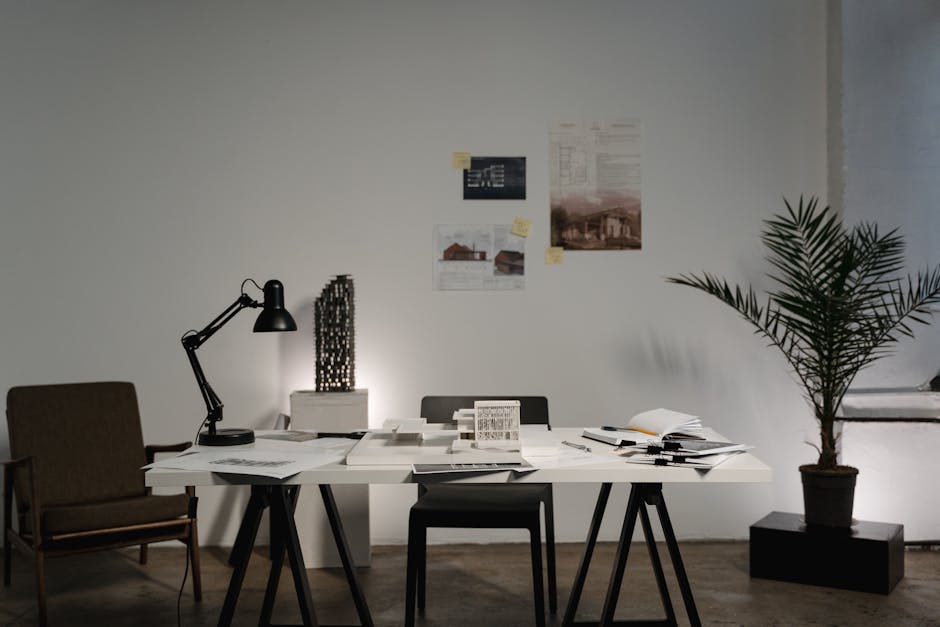
It’s a Tuesday afternoon, and the task notebook sits open on the desk, filled with a long list of tasks that seem to multiply with each passing minute. Notifications ping from the laptop, each one pulling attention away from the family time planned for later. As the clock ticks closer to the evening, the focus block intended for wrapping up work begins to dissolve into a flurry of small admin tasks. A reminder popup steals the next ten minutes, and suddenly, the time set aside for a family board game feels precariously close to slipping away.
This common scenario often unfolds when the day’s workflow habits prioritize urgent tasks over meaningful activities. The initial misstep—ignoring the importance of muting notifications—can lead to a cascade of distractions that crowd out the real work of connecting with family. As the afternoon dip in energy approaches, the clutter on the screen and in the mind makes it harder to shift gears. Recognizing this friction point is crucial; without a deliberate check on distractions, the evening's planned engagement can easily fade into another busy day lost to task switching.
Expected Family Time Routine
At 5:30 PM, the family gathers around the kitchen table, a designated spot for evening activities. The task notebook lies open, filled with ideas ranging from board games to cooking together. This is the moment to align everyone’s energy levels and interests, ensuring that the planned activity resonates with the mood of the day. However, if the work session drags on too long, the initial excitement can dwindle, leading to a chaotic scramble for attention.
As the clock ticks closer to the family time block, it’s essential to check the task list. If small admin tasks linger, they can overshadow the intended engagement. For instance, a quick glance at email notifications can lead to a ten-minute detour, pulling focus away from the upcoming family game. To counter this, muting notifications becomes a critical step. With one muted notification window, the distractions fade, allowing for a smoother transition into family time.
After the work session, the expected order of actions should flow naturally: first, gather everyone’s input on the evening’s activity, then set a timer for 15 minutes to prepare. This structured approach not only keeps the family engaged but also respects the energy levels present. If the family decides on a board game, for example, setting up the game board together can become part of the activity, enhancing the sense of collaboration. However, if the setup feels rushed or cluttered, it can lead to frustration, making it harder to enjoy the time together.
Ultimately, recognizing the friction points—like the pull of unfinished tasks—can help maintain the focus on family time. The goal is to create a seamless flow from work to play, ensuring that the evening remains a cherished part of the day rather than a rushed afterthought.
Where the Routine Breaks Down
As the family gathers around the dining table for their evening activity, the first sign of trouble often surfaces not from the planned fun, but from the persistent buzz of notifications. A reminder popup on a laptop screen can easily steal ten minutes of attention, pulling focus away from the excitement of choosing a game or movie. This moment, when the laptop is open and the task list looms larger than the time available, marks the beginning of disengagement.
During an ordinary weekday, small admin tasks can quickly crowd out the real work of family connection. The remote worker, juggling multiple tabs, often finds themselves distracted by emails or calendar alerts that demand immediate attention. One quick glance at the task notebook reveals a forgotten item—perhaps a deadline looming the next day. This snag, while seemingly minor, can derail the evening’s flow, leaving family members waiting and wondering when the fun will actually start.
To counter this drift, it’s crucial to establish a clear boundary between work and family time. Before the family sits down, muting notifications on all devices can create a focused environment. This simple action allows for a smoother transition, ensuring that the attention is fully on the family. A quick glance at the task list should only happen after the family has settled in, not before. By setting up a designated focus block, where distractions are minimized, the family can enjoy their time together without the nagging pull of unfinished tasks.
This same friction shows up again in Focus Without Burnout, especially when the day tightens unexpectedly.
Why the Breakdown Repeats
During a typical weekday afternoon, the desk is cluttered with sticky notes, a half-opened task notebook, and a laptop screen filled with tabs. The constant ping of notifications from work apps and personal messages creates an unrelenting background noise, pulling focus away from what should be a seamless transition to family time. As reminders pop up, such as a calendar alert for an overdue task, the immediate reaction is often to check it, stealing precious minutes and disrupting the flow of the evening.
- Notifications from work apps can interrupt even the most well-planned family activities.
- A cluttered workspace makes it hard to shift attention from tasks to family engagement.
- Small admin tasks, like responding to an email or checking a calendar, can easily overshadow the intention to spend quality time.
To combat these interruptions, establish a checkpoint before family time begins. Aim to mute notifications at least 15 minutes prior to the planned family activity. This simple act allows for a clearer mental space, reducing the temptation to glance at the task list or respond to a work email. When the task list is longer than the available time, it becomes crucial to prioritize family engagement, ensuring that the next useful action isn’t buried under the clutter of unfinished work. By recognizing this pattern, the shift from work mode to family mode becomes more intentional, fostering a more enjoyable atmosphere for everyone involved.
A Simple Correction to Change the Flow
The moment the clock strikes 5 PM, the temptation to squeeze in one last email can derail family time before it even begins. A work session that should transition into shared activities often gets interrupted by a reminder popup, stealing the next ten minutes and shifting focus away from family. This small admin task, while seemingly harmless, can create a ripple effect, leading to a cluttered mental space filled with unfinished work and lingering distractions.
To counteract this, establish a routine of muting notifications at least 15 minutes before family time. This simple correction sets a clear boundary, allowing for uninterrupted engagement. Position your task notebook out of sight, perhaps in a drawer, to further reduce visual clutter. As you prepare for family activities, take a moment to check that your phone is on Do Not Disturb mode. This small action creates a designated family space, ensuring that the next useful action isn’t buried under the weight of unfinished tasks. By implementing this adjustment, the transition from work to family becomes smoother, fostering a more focused and enjoyable atmosphere for everyone involved.
A Quick Check That Prevents More Drift
During an ordinary weekday, the task list can quickly outgrow the available time, especially for a remote worker juggling multiple projects. One common misstep occurs when a reminder popup steals the next ten minutes, pulling focus away from family time. These small admin tasks, like responding to an email or checking a notification, can easily disrupt the flow of planned activities, leaving everyone waiting while you shift gears.
To prevent this drift, implement a quick check of your notifications before transitioning into family time. At least 15 minutes prior, mute notifications on your phone and close unnecessary tabs on your computer. This action not only clears distractions but also sets a boundary that signals the end of your work session. Place your task notebook in a drawer, out of sight, to minimize visual clutter. This small adjustment helps ensure that the next useful action isn’t buried under a pile of unfinished tasks, allowing for a smoother transition into family activities.
As you prepare for this shift, take a moment to glance at your calendar block for the evening. Confirm that your family time is clearly marked, reinforcing its importance. This visual cue serves as a reminder to prioritize engagement over lingering work tasks, creating a more focused and enjoyable atmosphere for everyone involved.
What Changes Once That Fix Repeats
If this pattern keeps repeating, Managing Energy Not Time extends the idea without leaving the niche.
Once notifications are muted and your task notebook is tucked away, the atmosphere around your desk shifts noticeably. The clutter of small admin tasks that once loomed large begins to fade, allowing for a clearer focus block. Instead of feeling overwhelmed by lingering to-dos, you can now dive into a dedicated work session with your family time in mind. This mental shift is crucial, especially as the afternoon dip in energy approaches.
During your next time block, you’ll find that the transition into family activities feels more seamless. With distractions minimized, you can engage more fully with your loved ones. Instead of the previous scenario where a reminder popup steals ten minutes of your attention, you can now enjoy uninterrupted moments. This change not only enhances your productivity but also enriches your family time, making it feel less like an obligation and more like a cherished space.
As you sit down for your next focus block, take a moment to glance at your calendar. Confirm that family time is highlighted, reinforcing its significance. This small but deliberate check helps ensure that you’re mentally prepared to switch gears, creating a richer, more engaged experience for everyone involved. The difference is palpable, turning what used to be a rushed transition into a more intentional and fulfilling part of your day.
As the afternoon dip approaches, it’s easy for small admin tasks to crowd out the real work, leaving little room for family time. A quick glance at your task notebook might reveal a long list of items, but if you’ve muted notifications and set aside a focus block, you can redirect your attention effectively. This way, when the clock signals the end of your work session, you’re not scrambling to finish tasks but rather transitioning smoothly into quality time with your family.
Before you close your laptop, take a moment to check your calendar. Ensure that family activities are clearly marked, reinforcing their importance in your daily workflow. This simple action can prevent the common misstep of letting work spill over into family time, allowing you to engage more fully and intentionally with your loved ones. Make this check a routine part of your desk planning, and you’ll find that family time becomes a priority rather than an afterthought.