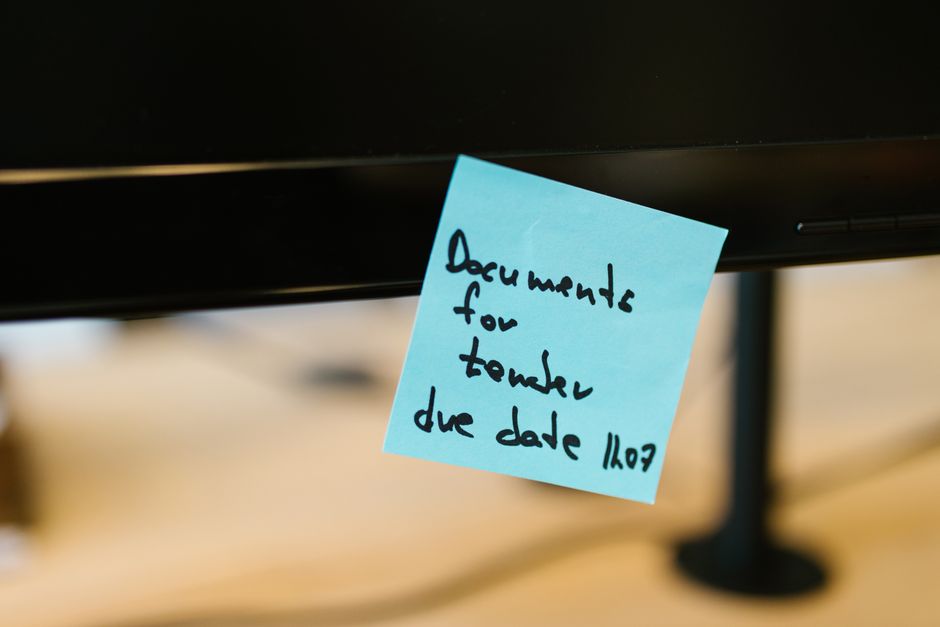
It's a Tuesday afternoon, and the browser tab row is cluttered with reminders, family calendars, and work tasks. As a freelancer, I’m trying to balance my focus between writing deadlines and planning a weekend family outing. The desk surface is littered with sticky notes, a half-drunk coffee cup, and a task list that never seems to get updated. Each time I switch gears, I find myself hesitating, unsure if I’ve overlooked something crucial in the process of planning family time. This moment of indecision often stretches longer than I’d like, causing me to miss out on the very activities I want to enjoy with my family.
Amidst this chaos, I realize that the top three tasks on my list remain untouched, while the tabs I need for family planning sit buried beneath work-related distractions. I keep telling myself I’ll get to them, but the order of tasks on my desk doesn’t align with my energy levels or the time I have available. This friction creates a bottleneck, making it hard to transition smoothly from work sessions to family activities. By closing unused tabs and prioritizing my task list, I can create a clearer workflow that allows for more productive family time planning.
The Overlooked Setup for Family Time
The moment I sit down at my desk on a typical weekday, I’m greeted by a chaotic row of browser tabs, each vying for my attention. On one side, there are work-related articles and spreadsheets, while on the other, I have a mix of family activity ideas and schedules. The intention is to carve out a solid block of focus time to plan our weekend, but instead, I find myself caught in a loop of task switching, my mind flickering between tabs like a moth to a flame. The clutter on my screen mirrors the clutter on my desk, where sticky notes with reminders compete for space with my laptop and a half-empty coffee cup.
As I try to prioritize my tasks, I realize that my visible task list hasn’t been updated in days. The top three activities I want to plan for family time remain untouched, buried beneath layers of work distractions. I know I need to close the unused tabs, but the thought of losing track of something important stops me. Instead, I take a moment to reorder my task list, placing family planning tasks at the forefront. This simple act of prioritization helps create a clearer workflow, allowing me to focus my energy more effectively and transition into family time with less friction. Yet, as I glance back at my screen, the nagging feeling of unfinished work lingers, reminding me that the balance between productivity and family engagement remains a delicate dance. Hidden Steps That Slow You Down During a busy weekday, my desk is cluttered with a jumble of browser tabs, each one vying for my attention while I try to plan family activities. The half-finished work tasks linger like shadows, distracting me from focusing on the family time I want to create. One overlooked step in this process is failing to close unused tabs that draw my eyes away from the task at hand. Each open tab is a potential distraction, pulling my focus and making it harder to concentrate on what really matters.
As I glance at my screen, I realize that my visible task list for family activities hasn’t been updated in over a week. This lack of a clear, prioritized list means I’m left scrambling to remember what I wanted to do. Instead of having a straightforward plan, I’m stuck in a loop of task-switching, where I constantly shift gears between work and family planning. To tackle this, I decide to close all but the most relevant tabs and take a moment to create a fresh, visible task list. I write down the top three family activities I want to focus on, ensuring they are the first things I see when I look at my screen.
This small adjustment helps streamline my workflow, allowing me to transition from work to family time with greater ease. However, the lingering presence of unfinished work still looms in the background, reminding me that managing attention during these crowded work blocks is an ongoing challenge. The balance between planning and execution remains a tightrope walk, where each forgotten step can lead to delays in quality family engagement.
The Main Bottleneck: Task Switching
During a typical weekday, I find myself at my desk, surrounded by a clutter of open browser tabs, each representing a different work task and a potential family activity. My attention is split, with emails and deadlines competing for focus against thoughts of weekend plans and family outings. This constant task switching creates a significant bottleneck, as I struggle to shift my mindset from work to family planning.
The desk surface itself becomes a visual representation of this chaos. My screen displays a jumble of tabs, some for urgent work tasks and others for family activities I want to plan. When I glance at my browser, I see a mix of spreadsheets, project management tools, and a few tabs labeled "family fun ideas." This mismatch in task sequence leads to confusion; I can’t easily prioritize what needs attention first. As a result, I often delay finalizing family plans, which should ideally be a straightforward process.
To alleviate this friction, I take a moment to close all but the most relevant tabs related to family activities. I then create a visible task list on my notepad, writing down the top three activities I want to focus on. This simple act of decluttering my digital workspace allows me to see my family planning tasks clearly. By ensuring these activities are front and center, I can transition more smoothly from my work session to family time. However, the lingering presence of unfinished work still clogs the process, reminding me that managing attention during these busy blocks is a continuous challenge.
A Cleaner Order for Planning Family Time
A slightly different version of this problem appears in Managing Energy Not Time, where the sequence changes but the hidden drag feels familiar.
During a typical weekday afternoon, my desk is cluttered with browser tabs, each representing a different task. As I shift my attention between a work project and family planning, I notice that the tabs related to family activities are buried beneath work-related ones. This disorganized setup leads to a mental block, making it difficult to prioritize family time effectively.
Next, I grab my notepad and write down the top three family activities I want to focus on. I place this task list right in front of my keyboard, making it impossible to ignore. By doing this, I create a visible cue that helps me transition from work mode to family planning mode. The act of writing down these activities not only clarifies my intentions but also provides a sense of accomplishment as I check them off later. This simple adjustment to my workflow minimizes distractions and allows me to allocate my attention more effectively, ensuring that family time is prioritized without the lingering chaos of unfinished work.
What Changes with a Streamlined Sequence
If this pattern keeps repeating, Focus Without Burnout extends the idea without leaving the niche.
During a typical weekday, I find myself juggling multiple browser tabs while trying to plan family activities. The clutter on my screen often leads to distractions, as work-related tabs dominate my attention. This disorganization creates a bottleneck, making it challenging to switch gears effectively from work to family planning.
To address this, I take a moment to close any unused tabs, focusing solely on the ones that pertain to family activities. I then grab my notepad and write down the top three family activities I want to prioritize. This list is placed directly in front of my keyboard, serving as a constant reminder of my intentions. With this visible task list, I can quickly transition my focus without losing sight of what matters most.
As I implement this streamlined sequence, I notice a tangible improvement in my workflow. Fewer distractions mean I can dedicate my full attention to planning family time, ensuring that those activities don’t slip through the cracks. By organizing my desk and digital space, I create a more conducive environment for effective task switching, ultimately leading to a more productive and fulfilling family planning session.
In the midst of a busy weekday, the clutter on your desk can easily lead to a fragmented focus, especially when switching gears from work to planning family activities. Each time I glance at my browser tab row, I’m reminded of the tasks that need my attention. If I neglect to close those unused tabs, my mind remains split, making it harder to concentrate on the family time I want to create. This simple act of decluttering not only clears my digital workspace but also signals to my brain that it’s time to shift focus.
To make this transition smoother, I recommend placing a visible task list directly in front of your keyboard. This list should include the top three family activities you want to prioritize. By doing this, you create a tangible anchor that helps you stay on track. When you sit down to plan, the first thing you see is your intended focus, reducing the likelihood of distractions and ensuring that your family activities don’t get lost in the shuffle. This small adjustment can significantly enhance your workflow habits, making family time planning feel more intentional and less rushed.