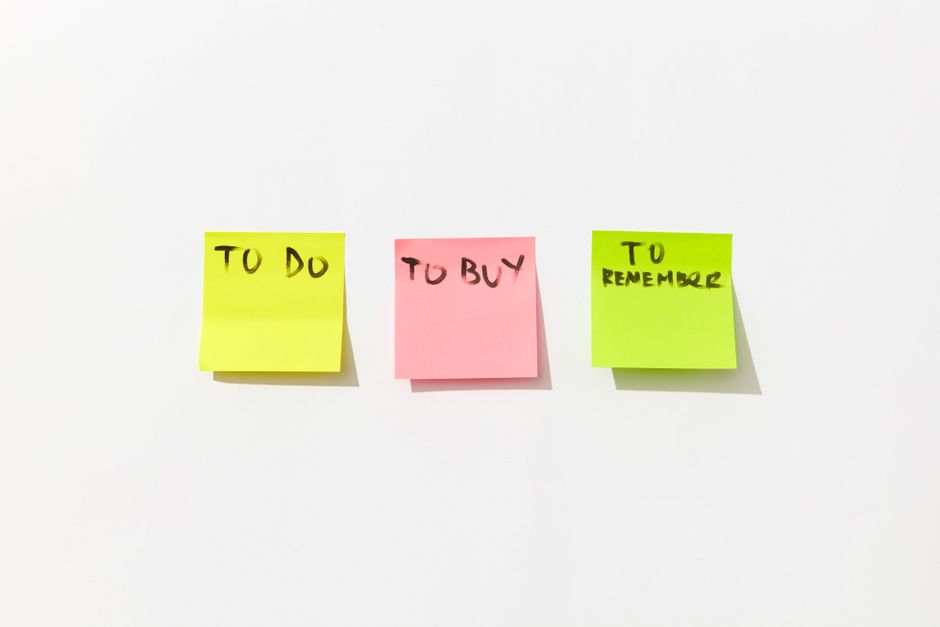
At the kitchen table, the laptop hums softly as the morning light streams in, illuminating a cluttered workspace. A calendar block sits open, filled with reminders and tasks for the day, but the focus is already slipping. With three tabs open on the screen, each vying for attention, the list of top priorities remains untouched in the task notebook. As the clock ticks toward the next family activity, the urge to check off tasks clashes with the need to engage with loved ones, creating a tension that hangs in the air.
The phone buzzes with notifications, drawing eyes away from the work session at hand. Each time the calendar is checked before opening the working document, a small moment is lost. The top three tasks, which could easily guide the day’s flow, never get rewritten or prioritized, leaving a sense of disarray. This constant task-switching not only disrupts productivity but also detracts from the simple joy of family time, where engagement can feel overshadowed by the distractions of divided focus.
The Moment Before Distraction Strikes
The kitchen table is a battleground of unfinished tasks, with a laptop open to a cluttered screen filled with three tabs: a work document, a calendar, and a family recipe site. The calendar block is filled with reminders, each vying for attention, while a task notebook lies nearby, its pages filled with scribbles of the day’s top priorities. As the clock inches toward 5 PM, the intention to transition into family time feels increasingly elusive amidst the chaos. The phone buzzes with notifications, pulling focus away from the tasks at hand.
Before diving into the work session, there’s a ritual of checking the calendar, a habit that often leads to a lost moment. Each glance at the screen reveals another reminder that needs attention, further fracturing the already divided focus. The top three tasks, crucial for guiding the evening's flow, remain buried under a pile of other distractions, never rewritten or prioritized. This constant task-switching not only disrupts the workflow but also creates a barrier to fully engaging with family activities, where the simple act of being present is overshadowed by the mental clutter of unfinished business.
The First Task That Gets Overlooked
As the day drifts toward evening, the cluttered kitchen table becomes a battleground of distractions. The calendar sits open on the laptop, reminders flashing across the screen, demanding immediate attention. Before opening the work document, there’s a habitual check of the calendar—a ritual that should help prioritize tasks but often leads to a cascade of interruptions. Each notification pulls focus away from the main objective, creating a ripple effect that delays the transition into family time.
Once the calendar is checked, the intention to dive into the top three tasks quickly fades. Instead of a smooth entry into the work session, the screen fills with tabs of unrelated reminders and emails. The task list, meant to guide the evening, becomes buried under a pile of distractions, leading to missed opportunities to engage with family activities. The simple act of closing unused tabs could streamline focus, but instead, the clutter lingers, making it harder to shift gears. This task-switching not only disrupts workflow but also creates an emotional barrier, preventing full engagement with family members who are waiting for attention.
This same friction shows up again in Focus Without Burnout, especially when the day tightens unexpectedly.
A Simple Adjustment That Restores Focus
The clutter of open browser tabs can easily become a barrier to effective family time. During a busy weekday afternoon, while working from the kitchen table, the sight of ten tabs—ranging from emails to random articles—can pull attention in multiple directions. Instead of diving into the top three tasks listed in the task notebook, the urge to check notifications or read an interesting headline can derail intentions. This scattered focus not only delays the work session but also sets a tone of distraction that seeps into family interactions.
Closing unused tabs is a straightforward yet impactful adjustment. Before opening the main work document, take a moment to close everything except the essential tabs. This simple act creates a cleaner workspace, both visually and mentally. For example, if the task list has three priorities for the evening, aligning the focus solely on those tasks allows for a smoother transition into family time. With only the necessary tabs open, the calendar check becomes a quick glance instead of a deep dive into unrelated tasks. This shift can mean the difference between a distracted hour of work and a focused session that ends on time, allowing for more engagement with family activities.
Establishing a decision rule—like only keeping one or two tabs open at a time—can help maintain this clarity. By simplifying the task list and workspace, the emotional barrier to engaging with family diminishes. The next time the family gathers for a game or dinner, the feeling of being present can replace the nagging pull of unfinished work, fostering a more connected experience.
How Focused Adjustments Carry Through the Day
If this pattern keeps repeating, Managing Energy Not Time extends the idea without leaving the niche.
When the kitchen table is cluttered with a laptop, a task notebook, and a calendar, the risk of distraction is high. During a typical weekday, I often find myself checking the calendar before diving into my work document. This habit can lead to a cascade of interruptions, as I get sidetracked by emails or reminders that pop up on the screen. However, by closing unused tabs and focusing solely on my top three tasks, I can create a more streamlined workflow.
This adjustment not only clears my mind but also sets a tone for the rest of the day. With fewer distractions, I can complete my work session more efficiently, allowing me to transition smoothly into family time. For instance, after finishing my tasks, I can shift directly from the kitchen table to the dining area, ready for dinner without the nagging thought of unfinished work. The task list, which I keep visible in my notebook, serves as a quick reference, ensuring I don’t lose sight of what needs to be done next.
By implementing a simple decision rule—like only keeping one or two tabs open at a time—I can significantly reduce the task-switching that often disrupts my focus. This means that when it's time for family activities, I’m not just physically present; I’m mentally engaged as well. The clearer focus during work hours leads to more quality interactions later, making family time feel less like an obligation and more like a genuine connection.
When the kitchen table is cluttered with open tabs and scattered reminders, it's easy to lose track of the moment. Each ping from my phone or notification from my laptop pulls my attention away from the family activities that matter. Instead of enjoying a game night or sharing stories over dinner, I find myself half-listening, my mind still on the task list I left behind. This divided focus not only diminishes the quality of our time together but also leaves me feeling frazzled and unproductive.
To combat this, I make it a habit to close unused tabs before I shift gears to family time. This small action creates a clearer mental space, allowing me to engage fully with my family. I also keep a visible task list in my notebook, ensuring that I know exactly what needs my attention next without lingering on unfinished work. By setting this simple check, I can transition from work to family mode more effectively, ensuring that our time together is meaningful and uninterrupted.