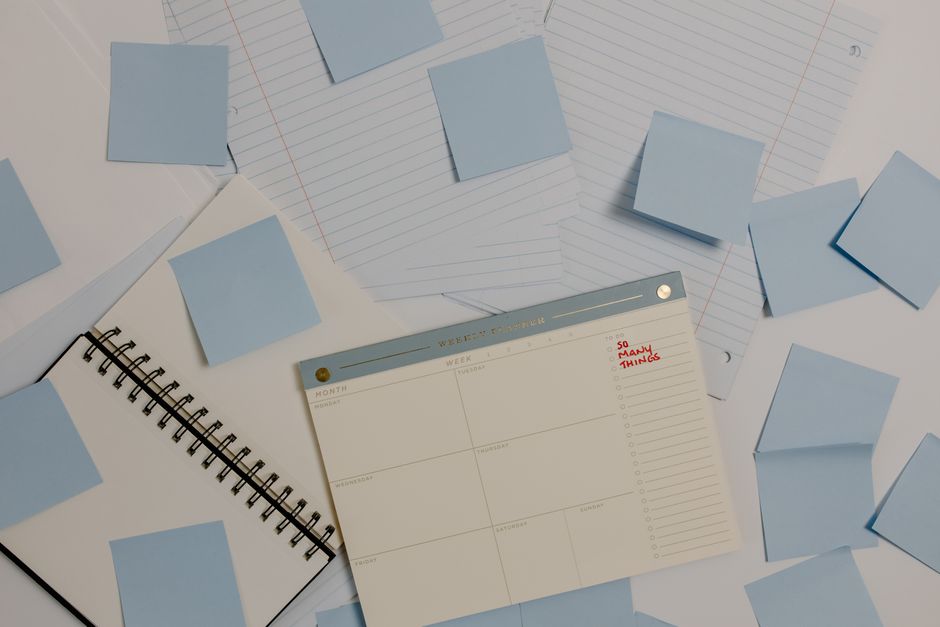
On an ordinary weekday, the desktop monitor edge is cluttered with a long task list that feels more like a wall than a guide. As a freelancer, I sit down to tackle my day, but the calendar block is filled with back-to-back meetings, leaving little room for the family activities I’ve promised to prioritize. The top three tasks, which should be straightforward, never seem to get rewritten or adjusted, and small admin tasks crowd out the real work. It’s easy to underestimate how quickly simple activities can become overwhelming, especially when the time available doesn’t match the workload.
Each time I switch between tasks, I notice the friction builds. The simple act of closing unused tabs on my browser becomes a mental hurdle, as I juggle between family commitments and professional obligations. This constant task switching not only disrupts my focus but also leads to a chaotic workflow that undermines my attention management. The real bottleneck emerges when I fail to check off even the smallest tasks, which leads to a snowball effect that derails my entire day. Recognizing these overlooked steps could be the key to streamlining family time activities and enhancing overall productivity.
The Overlooked Setup Before Family Time
On busy weekdays, the edge of my desktop monitor is cluttered with a visible task list, a digital reminder of everything I need to tackle. Each time I glance at it, I feel the weight of my intentions to plan family activities, but the reality often falls short. When the calendar fills up with meetings, it becomes increasingly difficult to carve out dedicated time for my family. The simple act of scheduling a family dinner can feel like a monumental task, especially when I have to navigate through a sea of admin tasks that seem to multiply.
Before I even start my work session, I notice how my focus shifts from the top three tasks that should take precedence to smaller, less important items. I often find myself trapped in a loop of task switching, where I open multiple tabs to handle quick emails or reminders, only to realize that the core family activities I intended to prioritize are lost in the shuffle. The impact of calendar overload is evident; instead of a smooth workflow, I’m left with a chaotic screen and a growing sense of frustration. To combat this, I’ve started closing unused tabs before diving into my work, allowing me to focus on what truly matters. This small adjustment has helped me reclaim my attention and streamline the transition into family time, but it’s a constant battle against the distractions that threaten to derail my plans.
The Hidden Steps That Slow You Down
This same friction shows up again in Managing Energy Not Time, especially when the day tightens unexpectedly.
During a typical weekday, I sit at my desk, staring at my monitor, where a long task list looms. The first three tasks are crucial family activities, but they often get buried under a pile of small admin tasks that seem to multiply overnight. Each time I check my email or respond to a quick reminder, I find myself opening yet another tab, leading to a chaotic screen filled with distractions. This clutter not only steals my focus but also disrupts the workflow I need to transition smoothly into family time.
Task switching becomes a significant barrier; every time I shift my attention from one task to another, I lose precious minutes. The act of moving between tabs and tasks adds up, creating a hidden cost that drains my energy. I’ve realized that leaving tabs open for tasks I think I’ll get back to later only amplifies this issue. Instead, I’ve started making a visible checklist on my desk, prioritizing the top three family tasks and closing all unused tabs before diving into my work session. This simple adjustment allows me to reclaim my focus and keep the real work in sight, but it’s a constant struggle against the small tasks that threaten to crowd out what truly matters.
Reordering Tasks for a Smoother Experience
A slightly different version of this problem appears in Focus Without Burnout, where the sequence changes but the hidden drag feels familiar.
During a typical weekday, I find myself staring at my desktop monitor, overwhelmed by a lengthy task list that seems to grow with every passing minute. The top three tasks, which should be my focus, often remain unwritten and buried under a pile of small admin tasks. This clutter not only distracts me but also delays my transition into family time. The energy drain from task switching becomes evident as I jump between tabs, each click pulling me further from what truly matters.
To streamline my workflow, I've started reordering my tasks based on my natural energy levels. Instead of diving into the smaller, less important tasks first, I now prioritize my top three family-related tasks at the start of my work session. I place a sticky note on the edge of my monitor as a visual cue to remind me to close any unused tabs before I begin. This simple act of decluttering my digital workspace reduces the switching costs significantly. I can focus more effectively on the essential tasks, allowing me to finish my work in a timely manner and enjoy uninterrupted family time.
For example, I now follow this revised order: first, I tackle the most demanding task while my energy is high; second, I address the second priority, which requires less focus; and finally, I wrap up with quick administrative tasks. This sequence not only aligns with my focus blocks but also ensures that I don’t lose sight of my main objectives. By placing my top three tasks front and center, I’ve noticed a marked improvement in my ability to transition smoothly into family time without the lingering anxiety of unfinished work.
What Changes When You Streamline Your Sequence?
After reorganizing my task order, the chaos that used to accompany family time has noticeably diminished. On days filled with meetings, I often found myself scrambling to complete small admin tasks that crowded out the meaningful work. Now, with my sticky note reminder to close unused tabs and a clearly defined task list on my desktop monitor, I can focus on what truly matters. Each day, I start with the most demanding task while my energy is still high, then move to the second priority, and finally tackle the quick administrative items.
This new sequence not only enhances my focus but also helps manage my energy levels throughout the day. By placing my top three tasks in a visible spot on my desk, I’ve created a mental anchor that keeps me aligned with my goals. I check off each task as I complete it, which provides a satisfying sense of progress. The shift means I can transition into family time feeling accomplished, rather than anxious about unfinished work.
As a result, I’ve found that I can engage more fully during family activities. The lingering stress of a cluttered task list has been replaced with a clearer mind, allowing me to be present in the moment. While I still have busy days, this streamlined approach has made a tangible difference in how I experience both work and family time.
On days when my calendar is packed with back-to-back meetings, I often find that small admin tasks creep into my workflow, overshadowing the more meaningful work I intended to accomplish. This distraction leads to a cluttered task list that feels overwhelming, especially when I glance at the edge of my desktop monitor and see multiple tabs open, each representing a task that needs attention. By closing the unused tabs and focusing solely on my top three tasks, I can create a clearer path through my day.
Next time you face a similar calendar overload, try placing a single visible task list on your desk. This simple adjustment can help you prioritize effectively and reduce the temptation to switch tasks unnecessarily. With a clear view of what truly matters, you can navigate your day with intention, ensuring that when family time arrives, you’re not just physically present but mentally engaged as well.
