It’s a Tuesday afternoon, and the clock on the wall reads 3:15 PM. You’re seated at your desk, surrounded by an array of open tabs and a task notebook filled with half-finished notes. You glance at the calendar on your screen, noting that you have just over an hour before the next family activity is scheduled. The thought of transitioning from work to family time looms, but the clutter on your desk and the distractions from your devices make it feel like a daunting leap.
As you prepare for the next focus block, a small but crucial adjustment comes to mind: closing those unused tabs. Each open tab is a reminder of tasks yet to be completed, siphoning off your mental bandwidth. This moment of desk planning becomes pivotal; by clearing the digital clutter, you can create a clearer mental space for the upcoming family time. The friction of task switching is palpable, and it’s clear that without a few simple changes, the transition to family activities will be anything but smooth.
The Routine Already in Motion: A Weekday Scene
At your desk, the familiar sight of a cluttered workspace greets you: a half-empty coffee cup sits next to a stack of reports, while your task notebook lies open, filled with scribbled reminders and half-finished thoughts. Glancing at the family calendar on your screen reveals that dinner time with the kids is just an hour away, yet the notifications from Slack and email keep pinging, pulling your attention in multiple directions. Each alert feels like a weight, a reminder of tasks still waiting for your focus, making the shift to family time feel increasingly challenging.
As you navigate this moment, the friction of task switching becomes evident. Instead, you close unnecessary tabs, creating a clearer digital workspace. This small act of desk planning allows you to prioritize your focus block more effectively, minimizing distractions. With the clutter reduced, you can better prepare for the upcoming family activity, but the clock is ticking, and the challenge of balancing work and family looms larger with each notification that interrupts your workflow.
Where the Routine Begins to Slip: The First Distraction
A slightly different version of this problem appears in Managing Energy Not Time, where the sequence changes but the hidden drag feels familiar.
Sitting at your desk, the chaos of a busy weekday unfolds as your focus drifts between multiple tabs and reminders. The glaring notifications from Slack pull your attention away from the family dinner you’ve been planning, each ping a reminder of unfinished tasks. This moment highlights how easily your focus can slip when distractions multiply.
As another Slack notification pops up, you feel a mental shift. The thought of responding to a colleague interrupts your flow, making it harder to engage with the family time you’ve scheduled. You realize that you haven’t closed unnecessary tabs, leaving you with a cluttered digital workspace that complicates your transition. In this moment, you miss a crucial check: the family calendar block that signals it’s time to shift gears.
To regain control, take a moment to close those unused tabs. This simple act of desk planning not only clears your screen but also creates a more focused environment for the upcoming family activity. With distractions minimized, you can mentally prepare for dinner, but the clock is ticking. Each ping from Slack serves as a reminder of the tasks waiting for your attention, making it clear that the balance between work and family time hinges on managing these interruptions effectively.
Why Interruptions Happen: The Mechanics of Distraction
If this pattern keeps repeating, Focus Without Burnout extends the idea without leaving the niche.
On a typical weekday, your desk is cluttered with multiple open tabs, each vying for your attention. Slack notifications ping repeatedly, and your task notebook lies open, filled with reminders that pull you in different directions. This chaotic setup makes it hard to concentrate on the focused work session you’ve scheduled. The pressure to respond to messages quickly leads to frequent task switching, which diminishes your overall productivity.
As you glance at your calendar, it becomes clear that you’ve overlooked a crucial step: blocking off time for family activities. The family calendar block is there, but the distractions have blurred its importance. Closing those unused tabs becomes a hidden tradeoff between immediate responsiveness and the ability to engage meaningfully during family time. Without this small adjustment, the good intentions of spending quality time with your family are overshadowed by the constant pull of work-related interruptions. Each time you switch your attention, the mental load increases, making it harder to shift gears and fully embrace the upcoming family activity.
One Simple Adjustment: Closing Unused Tabs
Before diving into your next focus block, take a moment to clear your digital workspace. Close all unnecessary tabs and apps cluttering your screen. This small action reduces distractions and creates a cleaner environment for your mind to transition into family planning.
- Set a timer for five minutes to focus solely on family planning without distractions.
- Write down one or two key family activities you want to prioritize this week in your task notebook.
- Ensure that your family calendar block is visible on your screen, reinforcing its importance.
By implementing this sequence change, you create a dedicated moment to shift your focus from work to family. With the timer set, you can effectively plan your family activities, ensuring they don’t get lost amidst the chaos of notifications. This adjustment helps you protect your deep-work block while also making room for meaningful family interactions later in the day.
A Quick Checkpoint: What to Review Before the Next Block
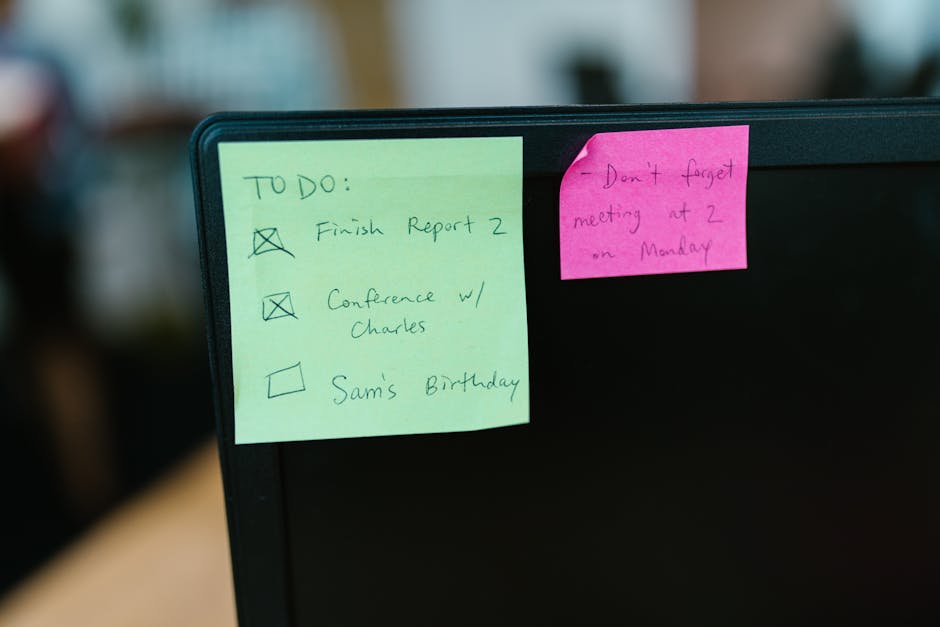
During a busy weekday, it's easy to let family planning slip through the cracks while juggling work tasks. Before diving into your next focus block, take a moment to glance at your family calendar. Jot down one or two key activities on a sticky note and place it directly on your monitor. This visible cue serves as a reminder that family time is just as important as your work commitments.
Ensure your task notebook is within arm's reach, ideally open to the page where you track family activities. This way, when you shift gears from work to family planning, you won’t waste precious time searching for it. The act of having your notebook ready reduces the friction of task switching and allows for a smoother transition. By making these simple adjustments, you can better protect your deep work sessions while still prioritizing meaningful family interactions amidst the chaos of notifications.
What Gets Easier in the Next Time Block
When you take a moment to organize your desk before your next focus block, you’re setting up a smoother transition into family time. Close any unused tabs on your browser and silence notifications from Slack or email. This small action reduces distractions, allowing you to concentrate on the work at hand without interruptions. With a clear digital workspace, you can better protect that precious deep work time.
Next, glance at your calendar block. If you’ve noted family activities for the evening, it’s easier to mentally shift gears when the work session ends. Place your task notebook prominently on your desk, preferably open to the page where you’ve outlined family plans. This way, when you finish your focus block, you can quickly refer to it without wasting time searching for your notes. The act of having everything visible means your brain can seamlessly move from work to family without the usual friction of task switching.
By implementing these simple adjustments, you’ll find that your next family activity feels more integrated into your day, rather than an afterthought. The calendar block serves not just as a reminder, but as a commitment to yourself and your family, making it easier to prioritize those moments together amidst the chaos.
As you prepare to wrap up your work session, take a moment to close any unused tabs on your browser. This small action not only declutters your digital workspace but also signals to your brain that it’s time to transition. When you open your task notebook, ensure that the family plans are easily visible. This visibility acts as a gentle reminder, making it easier to shift from work to family time.
Next, check your calendar block for the evening. If you’ve noted a family activity, you’ll find it easier to mentally prepare for that shift. This simple practice of organizing your desk and calendar can significantly reduce the friction of task switching, allowing for a smoother and more intentional family time, even on the busiest weekdays.