It’s a typical Wednesday afternoon, and the cluttered desk is a battlefield of open browser tabs, each vying for attention. The task list, sprawling across the screen, is a mix of small admin tasks and larger family time activities that never seem to get the focus they deserve. As the clock ticks toward the end of the workday, the top three tasks remain unchanged, buried under a mountain of distractions. Each time a new email pings or a notification pops up, it pulls the attention away, making it harder to carve out a space for quality family time.
During this crowded work block, the friction between completing necessary tasks and planning family activities becomes painfully clear. The calendar sits open, but the focus block that could prioritize family interactions is overlooked. Instead, the cycle of task switching continues, with small, urgent tasks crowding out the real work of planning meaningful family moments. This misalignment between the work surface and the task surface leads to a day where the intention to engage with family is lost amid the chaos of a busy schedule.
The Overlooked Setup of Family Time Planning
The cluttered desk is a battlefield of open browser tabs, each demanding attention. A calendar sits nearby, its blank spaces taunting the intention to schedule family time activities. As the clock ticks toward the end of the workday, the task list grows longer, filled with small admin tasks that seem urgent but ultimately distract from meaningful planning. The top three tasks remain unchanged, buried under notifications and the pressure to respond. This disconnect between the work tasks and the family activities becomes painfully clear during this ordinary weekday moment.
In a frantic attempt to regain control, a focus block is finally added to the calendar, but it’s often ignored in favor of immediate tasks. The intention to engage with family gets lost amid the chaos of a busy schedule, as each small task pulls the attention away from what truly matters. The work surface and the task surface do not match; the intention to rewrite the top three tasks is overshadowed by the urgency of the moment. Without a clear strategy to align these competing priorities, the day slips away, leaving the desire for quality family time unfulfilled and the desk planning process feeling like a missed opportunity.
Steps That Get Forgotten in the Planning Process
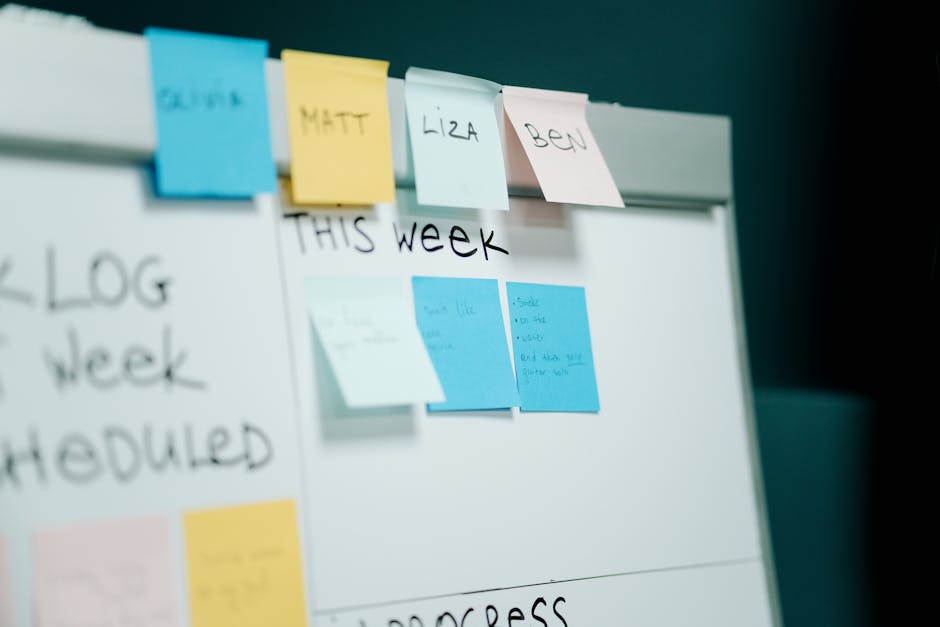
The clutter of a crowded browser tab row often reflects the chaos of a remote worker’s desk. Each tab represents a task, a notification, or a quick email to respond to, yet family activities frequently slip through the cracks. During a typical weekday, the intention to plan quality family time can easily get overshadowed by the urgency of admin tasks. The list of work obligations grows, while the space for family interactions shrinks.
One critical step that often gets overlooked is the need to rewrite the top three tasks regularly. When the task list is longer than the time available, it’s easy to forget that family activities deserve a spot alongside work tasks. Instead of prioritizing time for a family dinner or game night, the focus remains on completing smaller, less important assignments. This oversight not only steals attention but also erodes the potential for meaningful family engagement.
To combat this, consider allocating specific time blocks for family activities on the calendar. A quick check of the calendar can reveal whether there’s a focus block set aside for family time. If not, it’s time to adjust the schedule. By placing family activities at the forefront and rewriting those top three tasks to include them, the work surface can start to align with the desired family time. This small adjustment can create a clearer path for enjoying those moments together, rather than letting them slip away unnoticed amidst the daily grind.
The Main Bottleneck in Desk Planning
During a typical weekday afternoon, the cluttered browser tab row can become a visual representation of chaos, with five or more tabs open for minor admin tasks that seem urgent but are ultimately trivial. This overwhelming number of distractions pulls focus away from the real work and family planning that needs attention. As a result, the top three tasks on the to-do list are often neglected, leaving no room for planning a family dinner or a weekend outing.
When the task list exceeds the available time, it’s easy to let small admin tasks overshadow more meaningful family activities. Each time a new email notification pops up, it invites a quick switch in focus, diverting attention from the planned workflow. This task-switching pattern not only clogs up the process but also leads to a failure in effectively managing time for family engagement. A practical check here is to set a calendar block specifically for family planning. If that block isn’t visible on the calendar, it’s a clear sign that family time is being sidelined.
To break this cycle, take a moment to rewrite those top three tasks. Prioritize one task that directly relates to family activities, such as planning a game night or scheduling a family outing. By doing this, the work surface begins to align with the desired family time, making it less likely for those moments to slip through the cracks. The friction of small tasks can be alleviated, but only if there’s a conscious effort to shift focus back to what truly matters.
A Cleaner Sequence for Integrating Family Time
A slightly different version of this problem appears in Managing Energy Not Time, where the sequence changes but the hidden drag feels familiar.
During a typical weekday, the clutter on my desk reflects the chaos in my digital workspace. With multiple browser tabs open, each representing a different task, it becomes easy to lose sight of what truly matters. The top three tasks on my to-do list often remain unchanged, buried under a flurry of small admin tasks that crowd out meaningful family time. This friction creates a disconnect between my work and the family activities I want to prioritize.
To combat this, I set a dedicated focus block on my calendar specifically for family planning. This block, ideally placed right after lunch, serves as a reminder to step away from the screen and refocus my attention. When I sit down to plan, I take a moment to rewrite my top three tasks, ensuring that at least one directly relates to family activities—like organizing a weekend outing or scheduling a family game night. By making this adjustment, I create a clearer distinction between work and family time, allowing my planner to reflect both responsibilities.
This sequence not only helps me visualize my priorities but also reduces the likelihood of small tasks overshadowing family moments. When I prioritize these activities in my planner, I can see them alongside my work tasks, making it easier to balance my workflow habits with my family commitments. The act of rewriting those top tasks transforms my approach, turning my desk planning into a more intentional process that aligns with my values.
What Changes When the Sequence is Adjusted

If this pattern keeps repeating, Focus Without Burnout extends the idea without leaving the niche.
During a typical weekday afternoon, I find myself staring at a cluttered browser tab row filled with open projects, emails, and reminders. The chaos often leads to a frustrating cycle of task-switching, where small admin tasks take precedence over meaningful family activities. I realize that the longer my task list grows, the less time I allocate for family moments, causing unnecessary stress and a sense of imbalance.
To break this cycle, I implement a simple adjustment in my desk planning routine. Instead of diving straight into my work, I first take a moment to review my calendar block. This visual cue helps me identify available time slots for family activities. I then rewrite my top three tasks, ensuring that one of them is dedicated to family time—perhaps planning a movie night or a weekend outing. This small but intentional act not only clarifies my priorities but also creates a mental separation between work and home life.
By establishing this sequence, I notice a significant reduction in the stress that comes from constant task-switching. The act of checking off a family-related task alongside work responsibilities fosters a more balanced workflow. As I glance at my planner, I can see that family time is no longer an afterthought but a scheduled part of my day. This adjustment transforms my approach to planning, allowing me to integrate family activities into my daily routines without feeling overwhelmed by my workload.
As I sit at my desk, the clutter of browser tabs reminds me how easily small admin tasks can overshadow my primary goals. The top three tasks on my list often remain unchanged, buried beneath a mountain of emails and quick fixes. This oversight leads to a chaotic workflow where family time feels like an unattainable luxury, rather than a scheduled priority. By taking a moment to rewrite those top three tasks, I can ensure that at least one is dedicated to planning a family activity, like a game night or a picnic.
Implementing a focus block on my calendar serves as a practical check against this task-switching pattern. It allows me to carve out specific time for both work and family, reducing the friction that arises when my desk planning fails to reflect my intentions. Next time I face a crowded work session, I’ll make it a point to pause and adjust my task list, ensuring family time isn’t just an afterthought but a deliberate part of my day.