It's a Wednesday afternoon, and the desk is cluttered with open tabs, a half-finished project on the monitor, and a calendar reminder flashing for family game night. The intention is clear: carve out quality time with the kids after a long day of freelance work. Yet, as the clock ticks closer to the designated hour, the screen's notifications pull attention in multiple directions, making it hard to focus on the task at hand. Each ping from the reminder app seems to steal another ten minutes, adding to the growing list of unfinished tasks that loom over the evening.
In this moment, the desk surface is a battleground of distractions, with papers strewn about and the task list longer than the time available. The calendar block meant for family activities is overshadowed by the urgency of closing out work sessions. Missing the simple check of clearing unused tabs or organizing the workspace can lead to a chaotic transition from work to family time. Without addressing these overlooked steps, the planned simplicity of family activities quickly becomes entangled in the everyday workflow, leaving little room for genuine connection.
The Overlooked Setup of Family Time
As the afternoon light filters through the window, the cluttered desk reveals a chaotic scene: a calendar filled with overlapping tasks, sticky notes fluttering with reminders, and a monitor displaying a sea of open tabs. Each notification sounds like a siren, pulling focus away from the intention of carving out quality family time. The desk, once a space for creativity, now feels like a trap, where the to-do list looms larger than the clock. Amidst this clutter, the plan to transition from work to family activities begins to fray.
In this moment, the energy dips, and attention is split between tools and reminders, making it easy to overlook essential steps. Closing unused tabs on the browser could streamline focus, yet it often gets pushed aside. Instead, the urgency of finishing just one more task takes precedence, causing a delay in the shift to family time. A quick glance at the calendar block reveals that the scheduled family activity is fast approaching, but the desk's disarray and the mental load of unfinished work create friction. Without taking a moment to clear the workspace and prioritize the transition, the simple joy of family activities risks being overshadowed by the remnants of the workday.
Hidden Steps That Disrupt Flow
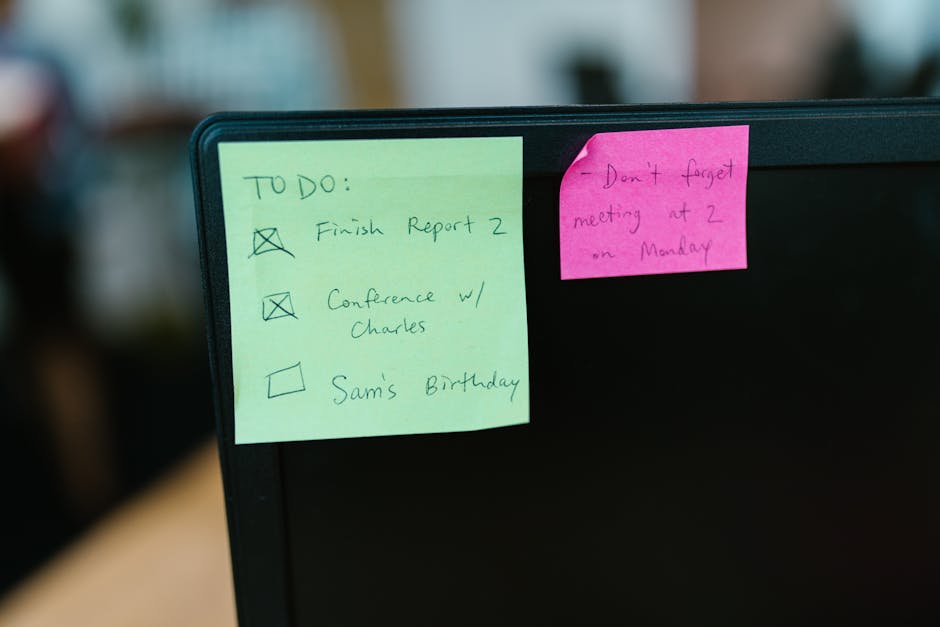
During an ordinary weekday afternoon, the desk surface becomes a battleground of unfinished tasks. A quick glance at the desktop monitor reveals a clutter of browser tabs, each one a reminder of work yet to be done. This chaotic environment creates a significant barrier when it's time to shift focus to family activities. One overlooked step is the act of closing these unused tabs before planning the transition. Each tab represents a distraction that pulls attention away from the upcoming family time, making it challenging to mentally disengage from work.
The urgency of completing just one more task often leads to a delay in this transition. For instance, a reminder popup for a deadline can steal the next ten minutes, further complicating the shift to family activities. This is where the importance of setting a specific focus block on the calendar becomes evident. By scheduling a dedicated time to close out work, the freelancer can create a clear boundary between work and family. This not only helps in managing attention but also ensures that the workspace is cleared of distractions, allowing for a smoother flow into family time.
However, recognizing this need is just the first step. If the desk remains cluttered and the mind is still racing with unfinished tasks, the simple joy of family activities risks being overshadowed by the remnants of the workday. A quick action to close tabs and set a focus block can make a significant difference in reclaiming that time.
A Notification That Steals Time
A slightly different version of this problem appears in Managing Energy Not Time, where the sequence changes but the hidden drag feels familiar.
As the clock approaches 4 PM on a typical weekday, the freelancer sits at their desk, surrounded by a tangle of tabs and reminders. With a task list that feels longer than the available hours, the focus shifts to planning the evening's family activities. Just as they begin to organize their thoughts, a notification pops up on the desktop monitor, announcing an upcoming deadline. The bright alert pulls attention away from the task at hand, and in the scramble to address it, ten precious minutes slip away.
This interruption not only derails the planning process but also clogs up the workflow. With the mind now racing to catch up on the missed time, the freelancer struggles to refocus on family activities. The desk remains cluttered with unfinished business, making it difficult to transition into a relaxed state for the evening. To mitigate this, setting a calendar block for focused planning can help create a clear boundary. Prioritizing the closure of unused tabs and reminders before this time can significantly enhance the flow into family time, ensuring that distractions are minimized and the transition is smoother.
A Better Order for the Same Five Minutes
If this pattern keeps repeating, Focus Without Burnout extends the idea without leaving the niche.
When the task list stretches longer than the available time, the desk can quickly become a chaotic mix of open tabs and reminders. To reclaim those fleeting moments before the afternoon energy dip, a structured approach can make all the difference. Start by closing all irrelevant tabs on your desktop monitor; this simple action clears mental clutter and signals a shift in focus. Next, set a dedicated focus block on your calendar specifically for family activities. This not only carves out time but also serves as a visual reminder of your commitment to family interactions. Finally, prioritize these activities in your task list, placing them at the top to ensure they receive the attention they deserve.
- Close all irrelevant tabs to minimize distractions.
- Set a focus block on your calendar for family time.
- Prioritize family activities by placing them at the top of your task list.
By following this revised order, you can create a smoother transition into family time. With a clear desk and a focused mindset, you’ll be less likely to let a reminder popup steal those precious minutes, allowing for a more enjoyable and productive evening together.
What to Check Before the Phone Takes Over
Before diving into family activities, take a moment to scan your desk surface. Clutter can easily distract, especially when you're trying to shift gears from work to family time. If your desk is littered with papers, snacks, or stray office supplies, it can pull your focus away from the interactions that matter. Clear away anything that isn’t related to your upcoming family activity, ensuring that your workspace reflects your intention to engage fully.
Next, ensure that all necessary tools for family time are within reach. This could mean having games, art supplies, or even a favorite movie queued up on your streaming service. If you have to scramble to find these items, you risk losing momentum, especially if a reminder popup steals the next ten minutes of your attention. Make a quick check of your calendar for any upcoming focus blocks, and consider placing family activities at the top of your task list. This small adjustment can help you prioritize your time and keep distractions at bay, allowing for a smoother transition into quality family moments.
The Shift After a Cleaner Sequence
When the clutter on your desk is minimized, the shift in focus becomes palpable. Closing unused tabs on your monitor and tucking away stray papers can transform your workspace into a zone of intention. This small act of organization not only clears physical space but also mentally prepares you for the family activity ahead. Instead of feeling overwhelmed by the task list, you can concentrate on the next fun moment with your family.
As you set up for the evening, the difference in energy is notable. With a designated focus block scheduled on your calendar for family time, distractions are less likely to creep in. You can engage fully with your kids, whether it’s playing a board game or working on a craft project. The stress that usually accompanies task switching fades away, allowing for genuine interactions. You’re no longer torn between checking emails and joining in on the laughter; the decision to prioritize family activities becomes clearer.
However, it’s essential to keep an eye on the clock. If a reminder popup interrupts your flow, it can steal ten minutes that could have been spent connecting with your family. To counter this, consider setting your phone to “Do Not Disturb” mode during family time. This way, you can maintain your focus without the nagging pull of notifications, ensuring that the time spent together is both enjoyable and stress-free.
When your desk surface is cluttered with tabs, reminders, and unfinished tasks, it’s easy to overlook the simple steps that make family time more fulfilling. A missed check on your calendar can lead to a scramble, leaving you feeling unprepared just as your kids are ready to engage. If your focus is split between managing notifications and being present, the quality of those moments diminishes. Instead, take a moment before the afternoon dip to close unused tabs and clear distractions. This small action can create a more inviting space for connection.
As you plan for family activities, ensure that your calendar reflects these priorities. By blocking out time specifically for family interactions, you can shift your mindset from task-switching to genuine engagement. This adjustment not only enhances your workflow but also allows for a smoother transition into quality time, making it easier to resist the pull of other obligations. Next time you sit down to work, remember to set your focus block and minimize distractions, so you can truly enjoy those moments with your family.