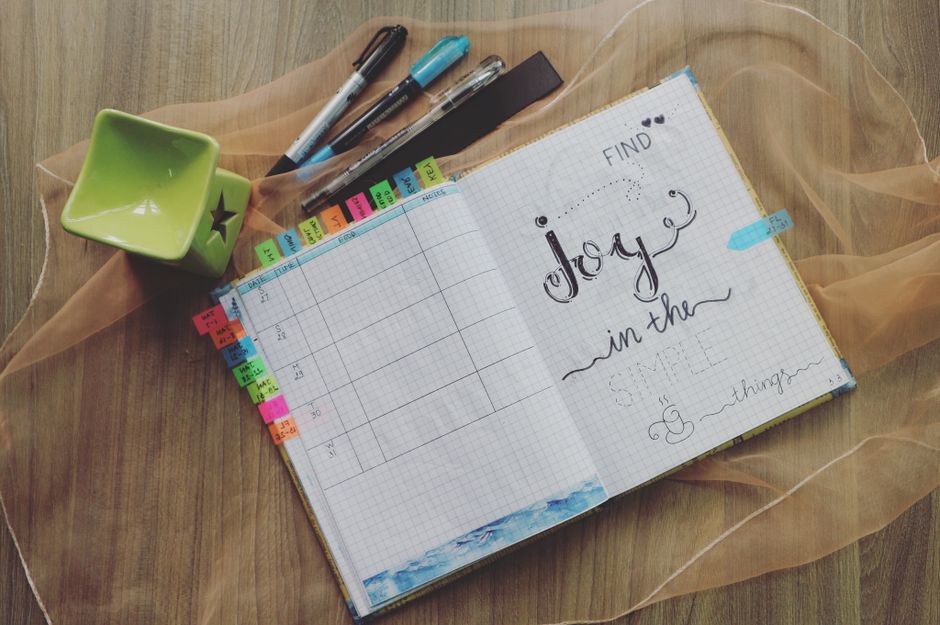
It's an ordinary weekday afternoon, and I sit at my desk, staring at my task notebook, ready to plan some family activities. The calendar is open on my screen, filled with overlapping blocks of meetings and deadlines. As I try to carve out time for a simple family game night, I notice how easily the task can slip away. A reminder popup interrupts my focus, stealing the next ten minutes as I scramble to check messages and adjust my schedule. What seemed like a straightforward task quickly morphs into a juggling act of priorities, pulling my attention in multiple directions.
This constant task switching creates friction, especially when I check my calendar before opening the document where I jot down ideas. Each switch not only consumes time but also disrupts my workflow habits, making it harder to concentrate on planning quality family time. I realize that while I intend to prioritize these activities, the reality of managing my calendar often leads to missed opportunities. A single focus block on my calendar could help, but in the moment, it feels like just another item on a list that keeps growing.
The Default Approach to Family Time Planning
During a typical weekday moment, I sit at my desk, surrounded by my task notebook and a cluttered calendar that seems to overflow with meetings. I glance at the screen, where a notification pings, pulling my attention away from the simple task of scheduling family game night. It feels reasonable to think I can quickly jot down a few ideas, but the reality is that spontaneous decisions often lead to chaotic scheduling. I find myself toggling between my calendar and the planning document, each switch adding friction to what should be a straightforward process.
As I prepare to open a new work session, I notice that the calendar check feels like a necessary step, yet it often complicates my workflow. The reminder popups, while meant to keep me on track, actually steal precious minutes, causing me to lose focus. I realize that if I had just muted notifications during this planning reset, I could have dedicated my full attention to mapping out our family activities. This simple adjustment, however, is overshadowed by the overwhelming urge to stay connected, leading to missed opportunities for quality time. The task looks simple, but the reality of task switching reveals the complexities lurking beneath the surface.
Why the Default Method Often Fails
Frequent calendar checks can feel like a necessary part of planning family activities, yet they often disrupt focus and pull attention away from what really matters. During a typical weekday moment, I find myself sitting at my desk, staring at my task notebook, ready to map out our weekend plans. Instead of diving straight into the planning, I instinctively check my calendar, which leads to a cascade of distractions. Each time I glance at the screen, I’m hit with reminder popups that steal the next ten minutes of my attention.
This task switching creates a weak point in my workflow. The intention to stay organized quickly turns into a battle against interruptions. As I toggle between tabs, trying to keep my planning document open while checking my calendar, I realize that I’m losing the thread of my original thought. Each notification pulls me away from the task at hand, making it harder to maintain the focus needed for effective planning.
To counter this, I’ve started implementing a small utility move: muting notifications during my planning resets. By placing my phone on silent and closing unnecessary tabs, I can carve out a focus block on my calendar dedicated solely to family time activities. This simple adjustment allows me to concentrate on what I want to accomplish without the constant pull of alerts. However, the tradeoff remains; while I gain clarity in my planning, the temptation to check my calendar still lingers, reminding me of the complexities that come with managing family time amidst a busy schedule.
A More Workable Alternative: Structured Planning Sessions
This same friction shows up again in Managing Energy Not Time, especially when the day tightens unexpectedly.
During my ordinary weekday reset, I find myself staring at my task notebook, cluttered with ideas for family activities but overwhelmed by the chaos of my calendar. The usual method of checking my schedule before diving into planning often leads to distractions, like a reminder popup that steals the next ten minutes. Instead of opening my calendar first, I now set aside a specific time block dedicated solely to planning. This adjustment means I can focus on jotting down ideas without the pressure of upcoming meetings looming over me.
Using my task notebook as a central hub, I can keep all family activity ideas organized and accessible. I write down potential activities in a structured format, allowing me to prioritize based on energy levels and time availability. By shifting the order of operations—planning first, then checking the calendar—I reduce the likelihood of interruptions. This simple change helps me maintain momentum, ensuring that when I do check my calendar, I’m not just reacting to notifications but actively aligning my family time with my workflow habits. The tradeoff is clear: while I gain a clearer focus on family planning, the temptation to glance at my calendar still lingers, reminding me of the ongoing challenge of balancing tasks with family time. Understanding the Tradeoff: Flexibility vs. Structure Structured planning can feel constraining, yet it often brings clarity to family time activities. When I sit down with my task notebook during a weekday planning reset, I can see the week ahead laid out clearly. This method requires commitment, as I need to block off time on my calendar specifically for planning. However, the payoff is substantial: I can prioritize family activities based on energy levels and available time, reducing the stress of last-minute decisions.
- Structured planning offers clarity but demands time commitment.
- Spontaneity allows for flexibility but can lead to chaotic schedules.
- Choosing structure means giving up some freedom, yet it often results in more meaningful family connections.
While spontaneity can lead to unexpected fun, it often results in chaotic schedules and missed opportunities for connection. For instance, a reminder popup might steal the next ten minutes, pulling my attention away from planning. By dedicating a focus block on my calendar to planning first, I can create a buffer that minimizes distractions. This adjustment makes it easier to keep family time aligned with my workflow habits, even on busy meeting days. The tradeoff is clear: while structured planning requires effort, it ultimately lays the groundwork for more fulfilling family interactions.
A Quick Checkpoint: What to Avoid Before Planning
A slightly different version of this problem appears in Focus Without Burnout, where the sequence changes but the hidden drag feels familiar.
During a typical weekday moment, when I sit down with my task notebook to plan family activities, the temptation to check my calendar first often leads to distraction. A reminder popup can easily steal the next ten minutes, pulling my attention away from the task at hand. This is where muting notifications becomes crucial. By silencing my phone and closing unnecessary tabs before diving into planning, I can create a focused environment that minimizes interruptions.
Clutter also plays a significant role in maintaining focus. When my workspace is messy, I find it harder to concentrate on the planning process. Before I open my calendar, I take a moment to clear my desk of any unrelated items. This simple adjustment not only enhances clarity but also sets the stage for a productive focus block on my calendar. By ensuring that my planning environment is both quiet and organized, I can better align family time with my workflow habits, making the transition from work to family activities smoother and more intentional.
When That Alternative Fits Better
During my typical weekday, I often find myself staring at a packed calendar, where every hour is filled with meetings and deadlines. This overload can make it challenging to carve out genuine family time, especially when I’m trying to switch gears from work to home. One effective alternative is to block out a specific focus block on my calendar dedicated solely to planning family activities. By doing this, I create a clear boundary that signals my brain to transition from work mode to family mode.
Before I open my task notebook, I check my calendar for the upcoming week. If I see a day filled with back-to-back meetings, I know I need to adjust my approach. Instead of attempting to squeeze in family time between tasks, I take a moment to mute notifications on my phone and close any distracting tabs. This small adjustment helps prevent those pesky reminder popups from stealing my attention, which can easily derail my focus for ten minutes or more. By ensuring I have a designated focus block, I can plan family activities with intention, rather than as an afterthought amidst a chaotic schedule.
During those busy weekdays, it’s easy to overlook how calendar overload can complicate family time planning. When I check my calendar and see a day packed with meetings, I know I must be strategic about how I carve out moments for family activities. Instead of trying to fit them in between tasks, I prioritize blocking out a focus block specifically for planning. This way, I can approach family time with intention rather than as a last-minute thought.
Next time you sit down with your task notebook, take a moment to assess your upcoming schedule. If you notice a day filled with back-to-back commitments, consider muting notifications to minimize distractions. This simple action can help you reclaim those precious minutes that might otherwise slip away due to reminder popups. By consciously setting aside time for family activities, you can ensure they receive the attention they deserve amidst the chaos of daily productivity.